 The twenty fifth anniversary of the fall of the Berlin Wall was also the anniversary of the collapse of the most extraordinary social and political experiment that the world has ever seen. Marxism/Leninism in and around the Soviet Union was an ideology that believed it had all the answers to the economic and political problems of society. At the same time it put out the idea that it was possible to create a new type of humanity, Soviet man. This great ‘Idea’ that the ultimate victory of socialism was assured and that, whatever the set-backs, nothing could defeat its ultimate victory, was all embracing. In theory it inspired and filled the imaginations of every citizen in the Soviet empire. That it collapsed both as an economic idea and a social movement is a fact of history. It had been sustained through the lies, self-deceit and propaganda of the system. Millions of actual human beings died of starvation because the authorities wanted to promote false statistics of grain production in the Ukraine in the 1930s. Because much of the pretend grain did not exist, people starved. The great ‘Idea’ was in fact a fantasy but it achieved through the propaganda machine a period of apparent success. Meanwhile it never resolved the actual problems of motivating people and allowing them to breathe the fresh air of human individuality and desire for freedom.
The 40 year experiment in changing human nature was only possible because the Soviet authorities seized all the tools of communication within Russia and its satellite states. Having shut off every alternative voice by creating a totally closed society, they were then able, in the words of Solzhenitsyn, ‘to elevate the primitive refusal to compromise into a theoretical principal and regard it as the pinnacle of orthodoxy’. In other words the political elite ‘knew’ what was true, and discussion and debate were to be ruthlessly suppressed. Even before the Revolution of 1917, Lenin had written that his aim in polemics was not to refute but to destroy his opponent. This paranoid ruthless streak which is part of the ‘Idea’ has a kind of fundamentalistic quality not dissimilar to the totalitarian thinkers of the American Right of today. The power of Soviet leaders was rooted in something that rendered it beyond even the possibility of dissent or debate.
Totalitarian ideologies and political systems exist because there is always a part of human nature that wants a strong individual to make decisions on its behalf. The political success of Putin in Russia is of surprise to us in the West because we cannot imagine how anyone would want to follow a totalitarian leader who uses the lies and the old propaganda tools of the old Soviet empire. Otherwise intelligent people can also be duped in believing this take on history and society. As a 12 year old I listened as the ‘Red’ Dean of Canterbury spoke about his visit to Russia for the 40th anniversary of the Revolution in 1957. Thankfully we were also being exposed to another version of contemporary history, so there was little chance of the corruption of young minds. Social justice was an honourable aim for any society but this high ideal blinded many to the truth of what was actually going on in Soviet society. Nevertheless the admirers of the Soviet system in their blindness to actual facts, were in the words of one commentator, ‘traitors to the human mind, to thought itself’.
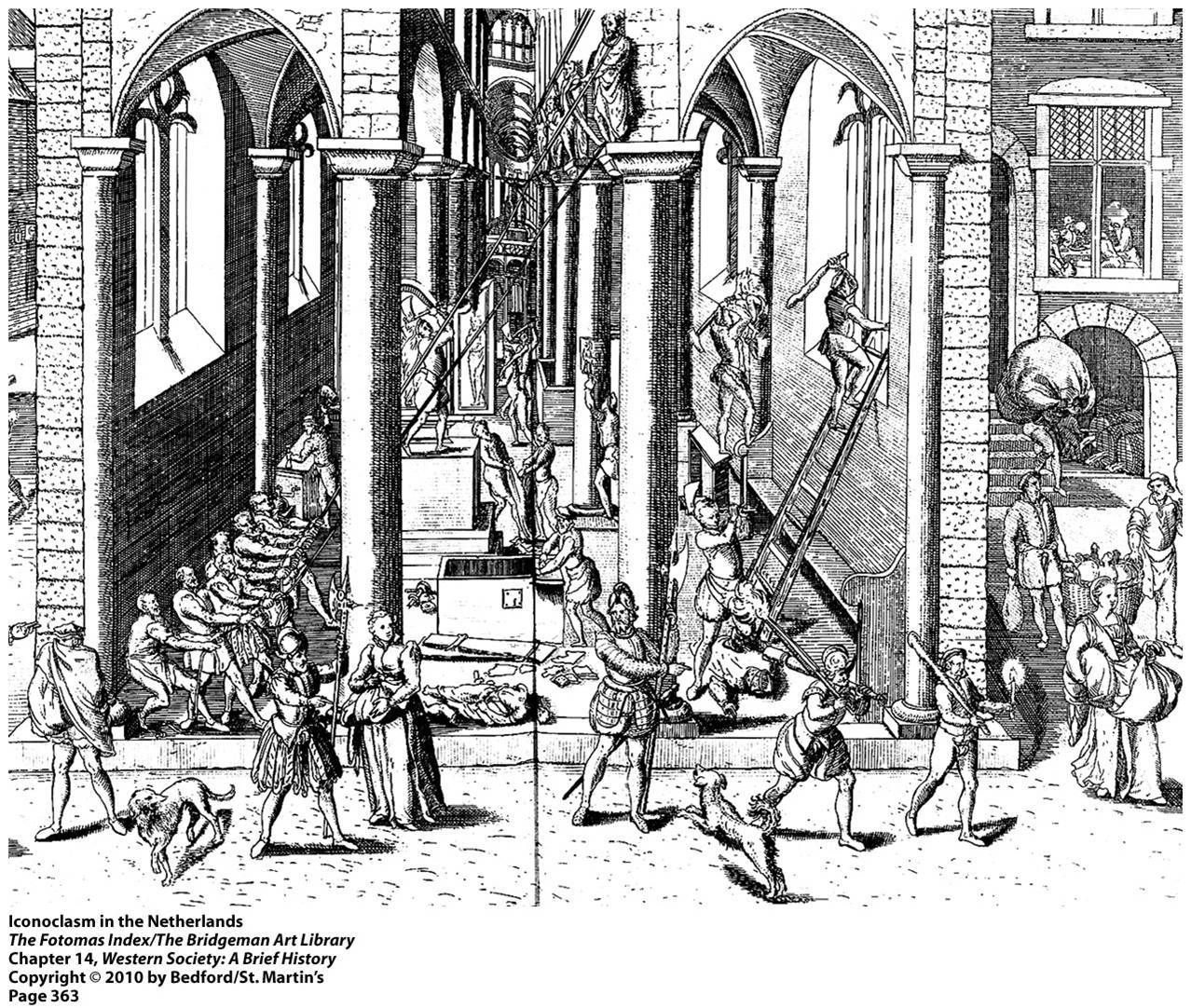
What point do I want to make about totalitarianism and the church? First I want to acknowledge that similar patterns of coercive and ‘infallible’ thinking have existed throughout the history of the church. I need just to mention the shame of the period of the Inquisition and the cruelties of the Reformation on both sides. But having admitted to the way that Christians have behaved in the past, it is deeply shameful that totalistic systems of thought still exist in the Church today. It is one thing to take sides in a religious war back in the 16th century and kill others in the name of God, but quite another to support an ideology today which cannot tolerate dissent or disagreement. Christians, thankfully, do not kill each other but the language of contempt and vilification of their ideological opponents is fairly vicious at times. Any system that cannot tolerate debate or discussion is in danger, like the ‘Idea’ of Marxist/Leninism, of becoming a system that destroys and tramples human beings under foot. The stand that this blog is taking, is saying is simply this. When a belief system cannot defend itself by reasoned argument and politeness, it is in danger of becoming totalitarian. Such a system must be resisted because, otherwise, it will go on to destroy people, if not physically, at least emotionally and spiritually. Sadly we meet today many such systems within the Christian church itself.