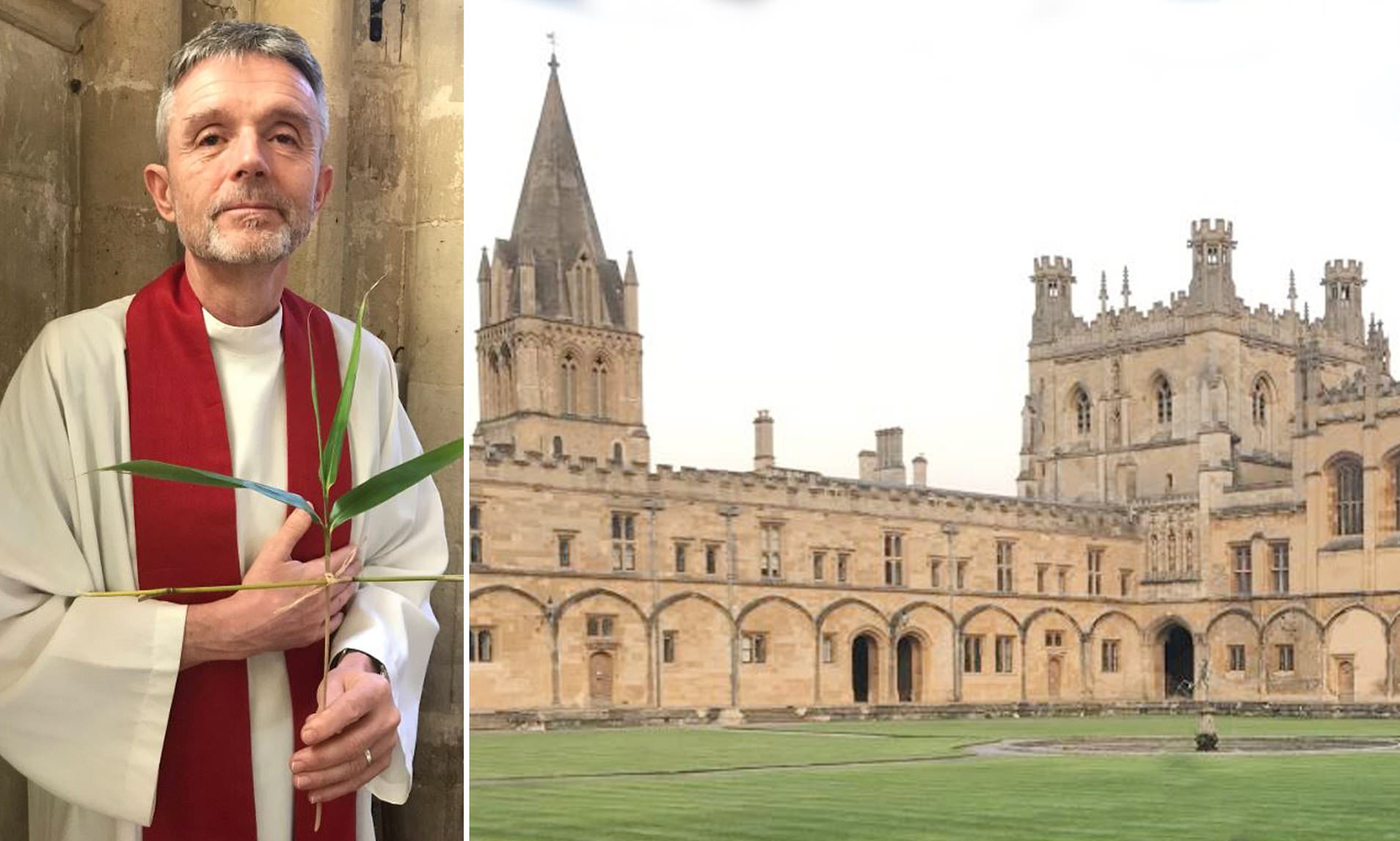
On Wednesday (27 January) the trustees of Christ Church Oxford received a letter from the Director of Regulatory Services of the Charity Commissioners (CC). This letter questions the decision to set up a second tribunal against the Dean. In particular, the CC are:
“seeking further information and assurances from the members of the Governing Body about why establishing a Tribunal is:
• in the best interests of the charity and its beneficiaries.
• a responsible use of the charity’s resources.
We will also examine how, when reaching this decision, the members of the Governing Body:
• took account of our published guidance and previous regulatory advice; and
• identified and managed any conflicts of interest and / or loyalty.” The letter adds: “This is not an exhaustive list. Full details of the information and assurances we require will be set out in a separate letter to the charity’s registered main contact.”
All that I have quoted so far is taken from a comment published yesterday on this blog by David Lamming, a retired lawyer, and a member of the Church of England’s General Synod. He is among those who have been working for such an intervention by the CC in the Christ Church affair. He could see, as I have done, that whatever the rights and wrongs in the present round of the struggle between Dean and members of the College, the affair has involved a series of profound failures of process which relate to events back two years or more.
What is the Commission saying with this letter? They seem to have a detailed understanding of the way that Christ Church governors have been responsible for expending eye-watering amounts of charitable money on the campaign of seeking to remove the Dean. Such a campaign hardly counts as charitable activity. Christ Church College, along with every other charitable institution will have had to prepare for the CC a list of the charitable purposes for which the charity exists. These would then have to be approved by the CC and published annually with the public accounts. No doubt among these charitable purposes would be found some mention of education of the young and the maintenance of the buildings and inherited property. The sustained persecution of a Dean, by the use of legal harassment, will not be included among these objects. The letter is brutally clear in saying that the CC “have concerns about the prudent application of charitable funds and the proper process of decision making within the charity as the dispute involving the Dean continues.” As the report of the letter in today’s The Times is headed, “Oxford college warned over dean’s tribunal.” And it is significant that this warning has been sent to all the members of the Governing Body, alerting them to their individual fiduciary duties as charity trustees.
This letter represents an important milestone in the Percy saga. I have never hidden from this blog my support for Dean Percy. I salute him as a fellow supporter of the Church abused, whether by institutions or individuals. My chief concern has been always for him to have fair process when accused by others. His evidence has to be heard in an environment that is properly independent. When independence was allowed into the Christ Church persecution process at an earlier stage, with the hearing by Sir Andrew Smith (a retired High Court judge), all the charges against the Dean were dismissed. The Smith tribunal decision, which has not been released but which I have been allowed to read, is far from being entertaining. Nevertheless, two salient points stand out from the written decision. One is that Smith spotted a degree of malevolence among the accusers of the Dean and he included examples of their manifest hostility in an appendix. The second point is a negative one. None of the accusations of serious misconduct referred to the Dean’s personal morality. All the arguments were about the difficulty of agreeing levels of pay for the teaching staff, including the Dean himself. It was only much later that accusations about safeguarding were brought into the dispute. The Church of England’s National Safeguarding Team (NST) became involved because in March 2020 there was a suggestion that the Dean had mishandled four safeguarding concerns arising from reports made to him by fully competent adults at the college. This complaint was escalated by the Church of England to a formal enquiry and a core croup was established to investigate. This core group had to be reconstituted when it was pointed out that it included the very members of the Governing Body who had made the complaint to the NST. The conflict of interest was glaring and obvious and they had to go. Finally, in September, the core group announced its findings. The Dean was cleared of the alleged safeguarding failures, with Dr Jonathan Gibbs (Bishop of Huddersfield and the lead bishop on safeguarding) stating publicly that the investigation “had concluded that the Dean had acted entirely appropriately in each case,” (see the Church Times, 11 September 2020.)
The saga has received extensive coverage in the media, but those who have stumbled across the Percy case as it has been played out recently might think that the whole thing hinges on an allegation of a sexual misdemeanour. For those of us who have been following the saga over three years, the disputed events in the Cathedral vestry on 4 October 2020 are just one small part of the longstanding campaign of vilification against the Dean, spanning over three years. The CC will be fully aware of the history of the campaign and the way that the Governing Body of the College have been behaving in ways that fail the smell test of equity, independent inquiry, and justice. I would go further and describe the behaviour of the Dean’s enemies as having the hallmarks of a persecuting mob. A mob, as we saw in an earlier blog, does not reason. It only feels. The feelings of this particular mob of highly intellectual Christ Church academics are aimed to bring about the destruction of the Dean. The reasons for this enmity can be discussed elsewhere. One thing is clear is that the feelings of an irrationally-aroused group do not make for fairness or justice. The mob cannot think; it can only feel and act destructively, as we see it doing in the hallowed walls of Christ Church (and as we saw it doing on Capitol Hill in Washington on 6 January 2021.)
Christ Church put out a statement yesterday, clearly in response to the CC letter, though this would not have been apparent to those not in the know. We expect that the publicity firm working for the College wrote it and received payment for writing it. The other firm that has played such a prominent part in the process of persecution against the Dean is the legal firm of Winckworth Sherwood (WSLaw). There may now be an understandable reticence by the Governing Body to commit further to using this firm in view of their high fees and the way that such expenditure will need to be accounted for by the College by the accountants of the CC. The CC is the one body in British society that can stand up to the powerful College lawyers. WSLaw know, as does the College, that the potential legal power of the CC stretches a long way. In the last resort the CC can operate the ultimate sanction of taking away the College’s charitable status. It is unlikely to press this nuclear button, but the mere existence of this threat gives the CC real power.
Throughout the process of the persecution of the Dean by senior members of the College and the NST, we have seen several examples of the questionable use of power. So now, the intervention of a truly neutral body, the CC, with its readiness to question such things as excessive legal bills, biases, and conflicts of interest, makes a real difference to the way the Dean’s persecution proceeds in the future. If a favoured firm of lawyers can no longer be used as a ‘fixer’ to enact the malevolent intentions of the Dean’s enemies against him, this will surely change the atmosphere at the meetings of the Christ Church Governors. Each Governor is also having to take his/her trustee responsibilities individually. This should focus the minds of Governors considerably. I wonder how many of the Governors of Christ Church have really paused to think about their individual responsibility for the public trashing, not of the Dean, but of the resources and reputation of their venerable and hitherto respected institution within the University of Oxford. If they have not, the CC letter will certainly bring each of them up short and force them to consider it. Indeed, they would each be well advised to seek independent legal advice.
The intervention by the Charity Commission in the Christ Church affair is made in the context of a whole history of toxic relationships within the college. How these are resolved is open for discussion by cool heads. Perhaps what the CC intervention is saying to us is that there must be better ways of resolving disputes than by the weaponization of church legal structures and the endless use of legal processes which threaten to destroy individuals and completely undermine the organisation which has chosen to go down a path of vindictive persecution.