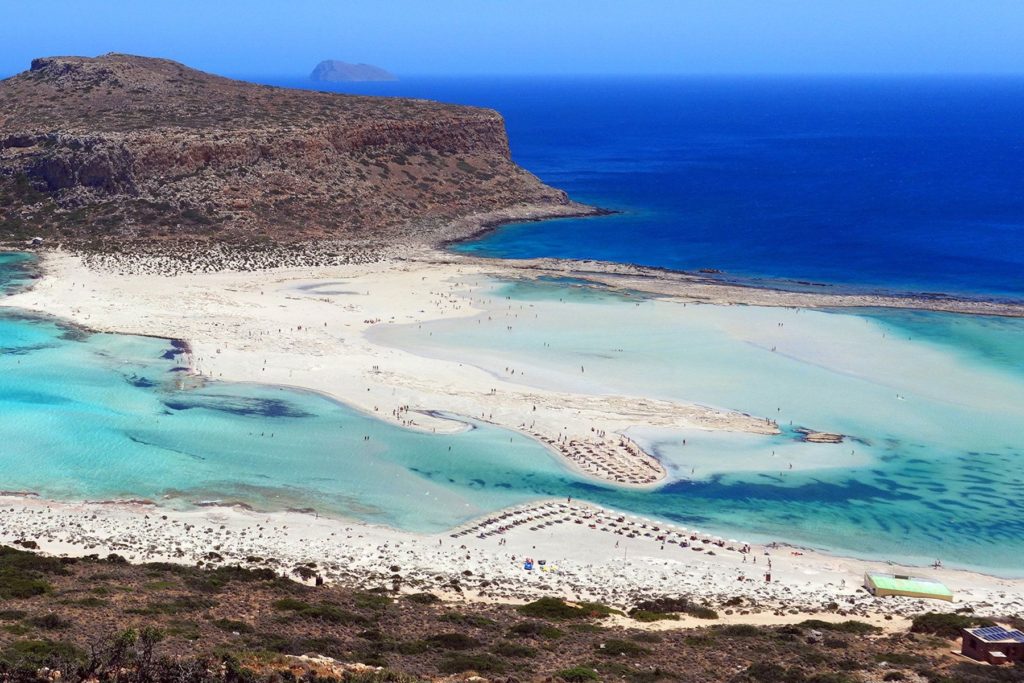
Some fifty years ago I spent ten months in Greece, on a scholarship, trying to discover as much as I could about the Orthodox Church in that country. The particular area of Greece to which I still return on a fairly regular basis is Western Crete. This was the scene of some memorable adventures for me. I have just returned from a week in Crete and this has reconnected me with experiences of long ago.
One of the features of travelling in a foreign country, especially on your own, is that you are able to listen to the stories of human life that people tell you within the limitations of language. One of the main realities of life in Greece in the 60s was of course the then extreme right-wing government. This impacted me personally, but particularly it affected the people I was meeting. Behind the rule of the Colonels were further realities which were still casting a strong shadow over Greek society as a whole. These realities were the horror of the Civil War and the German occupation during the Second World War. To think of these events of history in the same way as we describe abusive episodes is not unrealistic. Too many people had been afflicted by the combination of violence, sudden death and extreme hunger. These were of a magnitude that created an enormous continuing psychic wound on the whole of society. The whole of Greek society, in some way, had been caught up in the traumas of the 1940s and it showed. The past was being experienced and suffered in the present just as abuse survivors go on suffering for decades after the original events
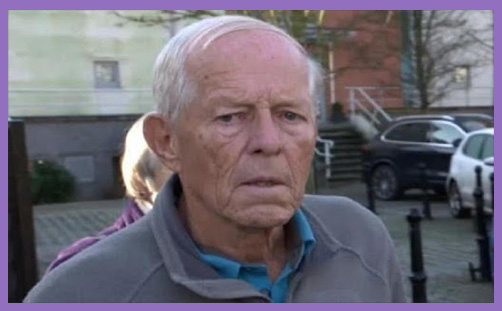
I was reminded of the way that history plays out in the present by meeting a very elderly Greek man on my recent trip. He was born in the thirties so he was a child survivor of war, famine and devastating poverty. Because of these experiences he had grown up unable to read or write. I was not able to question him even if I had had the linguistic skills. He came over as taciturn, living inside himself and able to show little active emotion, even in the presence of grandchildren and great-grandchildren. The abuses of the terrible historical events of his early life had marked him irrevocably. This chance encounter caused me to ponder further how the past marks the present and future. We can never be allowed to declare on behalf of someone else that the past is done and the only task is to look forward to the future. No, my recent trip to Crete told me once again that the past is real and it must be heard before anyone can expect to move on.
One of the legacies of abuse in the past, whether individual or corporate, is anger. If someone has exploited you, used power over you, you are likely to be angry. Anger is an inevitable outcome of power abuse and we can see its working out in an individual context as well the context of society. The politics of Greece (and elsewhere) are especially marked by the strong passions of anger. People vote for political parties often because of feelings. The strongest feelings are being held by those who believed they are the victims of injustice. We find the same passion of anger among abuse survivors. We should not be surprised at this. They have individually lived through their own Second War and Civil War; they have suffered starvation metaphorically speaking. Certainly, their education prospects have been damaged and their prospects for the future have been severely compromised. Why then are we ever surprised to find this anger? We are hardly in a position to criticise it when so much has been lost by abuse?
The old man sitting silently alone at a family party was a symbol of what it means to have suffered the devastations of war. The survivor of spiritual or sexual abuse is also the survivor of the destructiveness of past events. The past has created a partial waste-land in their lives. The rest of us can do our very best to understand what effect the abuse has had on them.
Recently in my attempts to understand and practise the techniques of Emotional Freedom Technique (EFT) I have been brought face to face with new insights in the way past events damage us in the present. These damaging events may or may not have to do with deliberate evil-doing on the part of abusers. The past sufferings of individuals, from whatever cause, in the family are carried through into the present with sometimes devastating results. Sometimes it is war-experiences, sometimes it is family bereavement that causes an individual to become destructive in their pattern of relationships. This is not meant to excuse bad behaviour but a suggestion that we all need to be more sensitive to the existence of intergenerational trauma. Grandfather went to war and never spoke about it. This caused a shutting down of spontaneity in relationships within the family. This in turn caused some members of the family to become emotionally blunted and prone to violence. The old bible quote about the sins of the fathers might well be changed to the traumas of the fathers (and mothers) were visited on their children.
As a supporter of survivors of abuse within the church, I long to see that the powers that be really understand what are the implications of what has happened to these individuals. When a bishop or archdeacon is reported to have been brusque and dismissive with a survivor, I ask myself what might be happening. One possibility is that the bishop himself is a survivor of past abuse and so resents being faced with an aspect of their life that they would rather not be reminded of. They may have gained their eminent post because they learned the techniques of repressing the past. Superficially they are successful in this but the pain of their own past still rumbles on below the surface threatening to erupt.
The healing of our traumas, whether great or small, is perhaps one of the most urgent of our needs. When Jesus invited people to him, he spoke these words. ‘Come unto me all ye that are heavy laden and I will give you rest.’ This suggests to me that Jesus saw the trauma, the burdens that people carry in their emotional lives as much he saw the physical illnesses they suffered. May our churches become places for the healing of trauma, stress and past events caused by abuse.